Showing posts with label Health. Show all posts

Wednesday, October 4, 2017

Be your own #Advocate

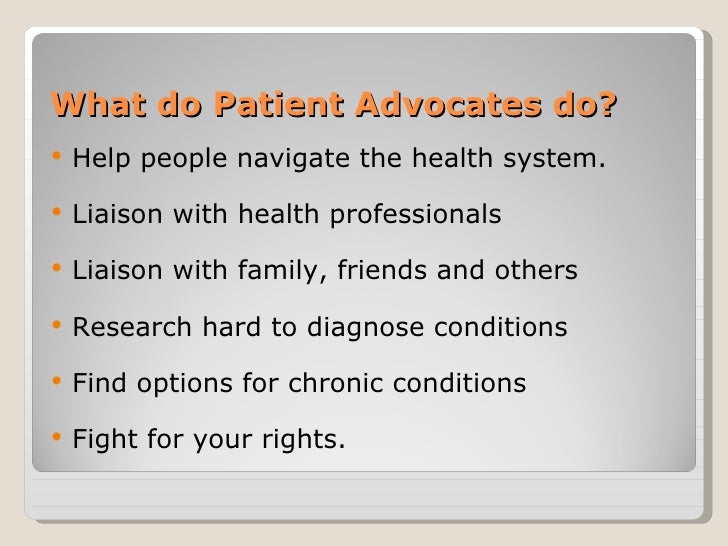
Learn to be your patient advocate. No one knows your body better than you do. Just because you are seeing a physician does not mean he/she is treating you properly. GET COPIES OF YOUR MEDICAL NOTES, TEST, ETC.... You will be surprised what is in them or not in them. Also, you might find out you had abnormal test results and were never told about them or treated for them. Speak up and if you know you are not getting better SEEK OUT another Physician.

http://www.medscape.com/features/slideshow/diagnostic-errors/neurologic#page=1

Image result for patient advocate

Monday, May 26, 2014

My Refreshing Drink today


My drink for today fresh lemons limes 

cucumbers and honey mango in

 my Tupperware stirring pitcher

Refreshing.......


Friday, May 16, 2014

Onions are Yummy But Did You know......

I purchased a large onion this past weekend from the flea market from a local grower.  This onion was YUMMY all by it self raw, yes plain fresh onion.  So I decided to take a closer look at the onion and all its health benefits.  I am very impressed and so glad I love onions.  Here is why:

HEALTH BENEFITS OF ONIONS

If you've landed here because you've heard of the health benefits of onions and you want to know more, prepare to be amazed.
If you weren't eating onions before, you will, after reading this article!
- See more at: http://www.foods-healing-power.com/health-benefits-of-onions.html#sthash.apNlCDEV.dpuf
People have known of the health benefits of onions for thousands of years, but only relatively recently scientists have started to do a lot of research into the health giving properties of this humble vegetable, and guess what?
Studies after studies have confirmed that onions indeed possess many active compounds that have been proven beneficial for all sorts of conditions.
On this page you'll find:
  • Onions Nutritional Highlights
  • Onions, Rich Source of Quercitin
  • Detoxify Your Body with Onions
  • Onions and the Heart
  • Cancer Prevention
  • Other Health Benefits of Onions
  • Quick Serving Suggestions

ONIONS NUTRITIONAL HIGHLIGHTS

Onions are a very good source of vitamin C, B6, biotin, chromium, calcium and dietary fibre. In addition, they contain good amounts of folic acid and vitamin B1 and K.
A 100 gram serving provides 44 calories, mostly as complex carbohydrate, with 1.4 grams of fibre.
Like garlic, onions also have the enzyme alliinase, which is released when an onion is cut or crushed and it causes your eyes to water.
They also contain flavonoids, which are pigments that give vegetables their colour. These compounds act as antioxidants, have a direct antitumor effect and have immune-enhancing properties.
Onions contain a large amount of sulfur and are especially good for the liver. As a sulfur food, they mix best with proteins, as they stimulate the action of the amino acids to the brain and nervous system.

ONIONS, RICH SOURCE OF QUERCITIN

quercitin in onion skin
The onion is the richest dietary source of quercitin, a potent antioxidant flavonoid (also in shallots, yellow and red onions only but not in white onions), which is found on and near the skin and is particularly linked to the health benefits of onions.
Quercitin has been shown to thin the blood, lower cholesterol, raise good-type HDL cholesterol, ward off blood clots, fight asthma, chronic bronchitis, hay fever, diabetes, atherosclerosis and infections and is specifically linked to inhibiting human stomach cancer.
It's also an anti-inflammatory, antibiotic, antiviral, thought to have diverse anti-cancer powers. Quercitin is also a sedative. So far, there is no better food source of quercitin than onion skins.
You don't need to eat loads of onions to achieve these effects. In fact, studies show that you can reap the health benefits of onions by eating just one medium onion, raw or cooked, a day.

DETOXIFY YOUR BODY WITH ONIONS

Onions contain a variety of organic sulfur compounds that provide health benefits.
Sulfur-containing amino acids are found in onions as well as garlic and eggs.
These specific amino acids are called methionine and cystine and, among other things, they are very good at detoxifying your body from heavy metals.
In fact, they are able to latch on to mercury, cadmium and lead and escort them out of the body.
Vitamin C, also contained in onions, is excellent at detoxifying the body and is effective in removing lead, arsenic and cadmium. So increasing consumption of onions can help the body to get rid of these harmful metals.

ONIONS AND THE HEART

To help keep your blood free of clots, and make the most of the health benefits of onions, eat them both raw and cooked.
Prescribing onions for heart patients is hardly routine among cardiologists. But Harvard's Dr. Victor Gurewich advises all his patients with coronary heart disease to eat onions daily.
Here are some of the things that onions can do for your heart:
  • Boost beneficial HDL cholesterol
  • Thin the blood
  • Retard blood clotting
  • Lower total blood cholesterol
  • Lower triglycerides
  • Lower blood pressure

CANCER PREVENTION

different types of onions
One way the antioxidants in onions can protect you against cancer is by reducing the DNA damage in cells caused by free radicals, studies reveal.
All onions and onion relatives (garlic, leeks, chives and scallions, or spring onions) are rich in organosulfur compounds shown to help prevent cancer in lab animals.
In fact, an onion extract was found to destroy tumor cells in test tubes and to arrest tumor growth when tumor cells were implanted in rats.
The onion extract was shown to be unusually nontoxic, since a dose as high as forty times that of the dose required to kill the tumor cells had no adverse effect on the host.
In addition, shallots have been shown to exhibit significant activity against leukemia in mice.

OTHER HEALTH BENEFITS OF ONIONS

Onions have also been shown to have a significant blood sugar-lowering action, even comparable to some prescription drugs.
The active compound that seems to be responsible for lowering glucose works by competing with insulin for breakdown sites in the liver, thereby increasing the life span of insulin.
Onions have historically been used to treat asthma, too. Its action in asthma is due to its ability to inhibit the production of compounds that cause the bronchial muscle to spasm and to relax bronchial muscle.
Onions have potent antibacterial activity, destroying many disease-causing pathogens, including E. coli and salmonella.
From one of my readers, Lynley Kempthorne:

Chop up a raw onion and cover it with honey (manuka honey is even better) and let it stand for four or five hours. It makes an excellent cough syrup and is wonderfully soothing for an inflamed throat.

Thank you Lynley

QUICK SERVING SUGGESTIONS:

roasted onions
The liberal use of onions and other bulbs of the same family, such as garlic, leeks and shallots, seems a particularly good idea considering their healing effects on the major degenerative diseases so common today, such as atherosclerosis, diabetes and cancer.
So try to enjoy the health benefits of onions as much as you can and to include them in your diet in every possible way.
Here are some quick serving ideas:
  • Onions can be eaten on their own steamed, boiled or roasted.
  • Sautéed chopped onions can be added to almost any vegetable dish to enhance its nutritional content and taste.
  • For an instant vegetarian chilli, heat together 1 medium chopped sautéed onion, with 12-oz/350 g. can of kidney beans, 12 oz/350 g. of chunky tomato sauce, and 2 tablespoons of olive oil, and season to taste with chili powder.
  • Chop 1 red onion, 2 medium tomatoes, 2 avocados and 1 jalapeno and combine together for an all-in-one guacamole salsa dip.
  • Place chunks of onion or small pearl onions on a skewer, either alone or with other vegetables, coat lightly with olive oil, and grill for approximately 10 minutes.

I hope you enjoyed reading about the health benefits of onions and I've managed to persuade you to make room for onions in your every day meals.
As you've seen, you don't need to eat a lot, but any amount will be extremely beneficial to your health.
- See more at: http://www.foods-healing-power.com/health-benefits-of-onions.html#sthash.apNlCDEV.dpuf


Thursday, May 15, 2014

Avon Skin So Soft Bug Guard Plus Expedition Insect Repellent SPF 30 Sunscreen Spray

WHAT IT IS:
A two-in-one bug repellent and sunscreen spray
WHAT IT DOES:
Protects against bugs and sunburns
KEY INGREDIENTS:
Beta-alanine, n-acetyl-N-butyl-, and ethyl ester*/carboxylic acid (insect repellents); octocrylene, octinoxate, oxybenzone, and octisalate (sunscreens)
HOW IT FEELS/SMELLS/LOOKS:
The aerosol mist feels wet and slightly greasy but dries within 30 seconds, leaving skin smooth. It has a distinct, chemical-y bug-spray scent.
WHY WE LIKE IT:
The continuous spray makes application a cinch and provides double-duty protection—no bites, no burns. It leaves skin soft without feeling coated or slick, and the bug-spray stink doesn't stick around for long.
—Lindsay Colameo
Gear Up for Memorial Day!

Wednesday, May 14, 2014

Benefits of Cantaloupes

File:Cantaloupes.jpg

I bought a cantaloupe this weekend, first one this season, it was so sweet and delicious.  So every day I have enjoyed having it for breakfast or really several times through out the day.  I decided to look up the benefits of this wonderful fruit.

Cantaloupe nutrition facts

Muskmelon
Wonderfully delicious and unique flavored cantaloupe or “muskmelon” is a member in the large Cucurbitaceae family. Some of the popular fruits and vegetables in the cucurbita family include squash, pumpkin, cucumber, gourd,...etc., and like its relatives, melons grow on the ground surface as a trailing vine.
Muskmelons thought to be originated either from India or ancient Persia or Africa. They grow best on draining sandy soil with good irrigation facility, and require honeybees for effective pollination. Melons, just as mangoes, watermelon...etc., are actually summer season fruits. Their season runs from April through August, when they are at their best.

Health benefits of Cantaloupe

  • Wonderfully delicious with rich flavor, muskmelons are very low in calories (100 g fruit has just 34 calories) and fats. Nonetheless, the fruit is rich in numerous health promoting poly-phenolic plant derived compounds, vitamins, and minerals that are absolute for optimum health.
  • The fruit is an excellent source of Vitamin A, (100 g provides 3382 IU or about 112% of recommended daily levels) one of the highest among fruits. Vitamin A is a powerful antioxidant and is essential for vision. It is also required for maintaining healthy mucus membranes and skin. Consumption of natural fruits rich in vitamin A is known to help to protect from lung and oral cavity cancers.
  • It is also rich in antioxidant flavonoids such as beta-carotene, lutein, zea-xanthin and cryptoxanthin.These antioxidants have the ability to help protect cells and other structures in the body from oxygen-free radicals and hence; offer protection against colon, prostate, breast, endometrial, lung, and pancreatic cancers.
  • Total antioxidant strength measured in terms of oxygen radical absorbance capacity (ORAC) of cantaloupe melons is 315 µmol TE/100 g. The value for honeydew melon is 241 µmol TE/100 g.
  • Zea-xanthin, an important dietary carotenoid, selectively absorbed into the retinal macula lutea in the eye where it is thought to provide antioxidant and protective UV light-filtering functions. It thus, offers protection of eyes from "Age-related macular degeneration" (ARMD) disease in the elderly.
  • It is a moderate source of electrolyte, potassium. 100 g fruit provides 267 mg of this electrolyte. Potassium is an important component of cell and body fluids and helps control heart rate and blood pressure. It thus offers protection against stroke, and coronary heart diseases.
  • The fruit also contains moderate levels of B-complex vitamins, such as niacin, pantothenic acid and vitamin C, and minerals like manganese. Consumption of foods rich in vitamin-C helps the human body develop resistance against infectious agents and scavenge harmful oxygen-free radicals. Manganese is used by the body as a co-factor for the antioxidant enzyme, superoxide dismutase. Commercially, muskmelons are being used to extract an enzyme superoxide dismutase (SOD), which plays a vital role as strong first-line antioxidant defenses inside the human body.
See the table below for in depth analysis of nutrients:

Cantaloupe (Cucumis melo), Fresh,
Nutritive Value per 100 g
(Source: USDA National Nutrient data base)
PrincipleNutrient ValuePercentage of RDA
Energy34 Kcal1.5%
Carbohydrates8.6 g6.5%
Protein0.84 g1.5%
Total Fat0.19 g<1 td="">
Cholesterol0 mg0%
Dietary Fiber0.9 g2.25%
Vitamins
Folates21 µg5%
Niacin0.734 mg4.5%
Pantothenic acid0.105 mg2%
Pyridoxine0.072 mg5.5%
Riboflavin0.026 mg2%
Thiamin0.017 mg1%
Vitamin A3382 IU112%
Vitamin C36.7 mg61%
Vitamin E0.05 mg0.5%
Vitamin K2.5 mcg2%
Electrolytes
Sodium1 mg0%
Potassium267 mg6%
Minerals
Calcium9 mg1%
Copper41 µg4.5%
Iron0.21 mg2.5%
Magnesium12 mg3%
Manganese0.041 mg2%
Zinc0.18 mg1.5%
Phyto-nutrients
Carotene-alpha2020 µg--
Crypto-xanthin-beta1 µg--
Lutein-zeaxanthin26 µg--
So go out and pick up a Cantaloupe or 2 from your local farmer or grocery store and ENJOY!


Tuesday, April 29, 2014

5 Delicious, Healthy Greens You Should Be Eating That AREN'T Kale


HEALTHY GREENS

5 Delicious, Healthy Greens You Should Be Eating That AREN'T Kale

It's time to turn over a new leaf.

SHUTTERSTOCK
Kale has reached celebrity status in the world of leafy greens, but don't dismiss these kindred bunches, which are power-packed with beautifying and good-for-you nutrients.

Collard Greens
Descendants of wild cabbage, collards are part of the brassica family (aka cruciferous family), like broccoli, Brussels sprouts, cauliflower and kale.
The good-for-you benefits: Like all brassica veggies, collards are loaded with sulfur-containing nutrients (called glucosinolates), which have stellar anti-cancer properties and operate as powerful anti-inflammatories down to the genetic level. They're also packed with vitamin K (which regulates your immune response) and omega-3s (a healthy fat linked to stronger hearts, better brains, and brighter moods). Plus, collard greens host a ton of antioxidant vitamins and minerals, (including A, C and E and manganese), as well as potent phytonutrient antioxidants to protect against oxidative damage to cells and skin.
How to eat them: Before cooking, cut collards into ½" pieces and let stand for five minutes to activate enzymes and beneficial glucosinolate compounds. Then you can steam, sauté or slow cook them into a soup or stew until tender. To use collard as a gluten-free tortilla wrap, lightly steam the leaves whole, then drizzle with olive oil and a pinch of sea salt before filling and rolling. You can even use collards instead of kale to make oven-baked chips! Wash, dry well, and cut into pieces, then drizzle with olive oil and a pinch of sea salt, spread in a single layer on a cookie sheet and bake at 350˚F for 7 to 10 minutes until crispy.
Dandelion
It's not just a lawn weed—dandelion greens are now hailed as a nutrient-rich superstar in the plant kingdom to balance the body, purify the blood, tone and detox the liver, and aid digestion.
The good-for-you benefits: The bitter taste of dandelion is part of what makes them champion greens, especially for your liver—bitter flavonoid glycosides are potent antioxidants that pack liver-protecting properties. They also contain a prebiotic that helps to feed healthy bacteria in our guts to balance out blood sugar. Plus, they're a prime source of calcium and vitamin K, which works with calcium to boost bone strength. And it can even fight bloat—dandelion reduces swelling and water retention in the body, so you'll look and feel a little lighter.
How to eat them: To reduce the bitter flavor, chop the leaves and soak them in cold water for 10 minutes or blanch in boiling water for 20 to 30 seconds. Try them raw in a salad for the strongest flavor (smaller, tender leaves are less bitter and best raw), or steam or sauté for a milder flavor (the longer they're cooked, the milder the flavor). Or, blend a few greens (raw or blanched) into your favorite pesto recipe for a delicious, nutritious twist on a classic.
Mustard Greens
Mustard greens' frilly leaves pack a peppery, punchy flavor to add dimension to dishes. Plus, they come loaded with major body perks.
The good-for-you benefits: Like all cruciferous veggies, mustard greens are loaded with glucosinolates, but these zesty leaves contain two unique forms (sinigrint and gluconastutiian), which not only contribute to their spicy kick, but also help them protect your body against cancer. Mustard greens have a massive amount of anti-inflammatory vitamin K (just one cup has more than 900% of the RDA), which helps anchor calcium in bones to fortify them and ward off osteoporosis. It's also loaded with antioxidant vitamins A, C, E and copper, as well as energy-producing vitamins B1, B2 and B6—not to mention bone-building magnesium and calcium.
How to eat them: Sautéing mustard greens is one of the tastiest methods of prep as steaming can yield watery results. Try adding chopped mustard greens to a veggie stir fry. And don't overlook tender mizuna (a type of mustard) to add flavorful punch to mixed salads (the seeds of mizuna are used to make Dijon mustard).
Swiss Chard
Swiss chard is a gorgeous relative of beets, spinach, and quinoa (in the chenopod family), with ample stems in a rainbow of colors.
The good-for-you benefits: Akin to most leafy greens, it's loaded with antioxidant flavonoids. But chard hosts a unique flavonoid called syringic acid, which regulates blood sugar by inhibiting enzymes that break down carbs into simple sugars (a factor that can otherwise lead to blood sugar spikes and crashes). The colorful stems of chard are not only pretty, but also contain distinctive phytonutrients called betalains, which have antioxidant, anti-inflammatory and detoxification powers. Chard is an abundant source of antioxidant vitamins (A, C and E) and minerals (copper and manganese) as well as oxygen-transporting iron.
How to eat them: Wash chard before cooking but, to prevent loss of water-soluble nutrients, don't soak it in water. Stack the leaves and slice into 1" pieces and slice the stems into ½" pieces. Steam or sauté for five minutes, or until tender, or cook it into a soup or stew. It's not recommended that you juice chard or eat it raw, as it contains oxalic acid, which can block calcium absorption.
Turnip Greens
Too often overlooked for its round, tasty, white roots, turnip greens are related to collard greens, though they're more tender. Plus, they're über good for the body and bones.
The good-for-you benefits: Turnip greens are a super source of calcium, which may contribute to the mildly bitter taste of these unsung heroes. They are also loaded with antioxidants vitamin K and manganese. Turnip greens are laden with vitamins C, E and A (in the form of beta-carotene) plus loads of phytonutrients for broad-spectrum protection against chronic oxidative stress. Plus, turnips outrank broccoli and even kale in terms of distinctive glucosinolate compounds found in all cruciferous veggies.
How to eat them: Slice into ½" pieces and let stand for five minutes to enhance beneficial enzymes for optimum absorption. Then you can steam or sauté until tender. Another option: Braise them with ginger, mirin (sweet rice wine) and tamari. 
Renée Loux has had a diverse career in the sustainable food space for more than 17 years as a chef, restaurateur, consultant, television personality, entrepreneur, and most recently, the founder of the Food First Institute at the University of Hawaii Maui Culinary Academy. She has published 4 books, including Easy Green Living, the Gourmand Award-winning The Balanced Plate, and Living Cuisine. Visit her atwww.reneeloux.com. 

Sunday, April 27, 2014

Why Diseases Don’t Exist and What Really Makes You Sick! by Mark Hyman, MD

Imagine a time when people died or suffered from incurable acute infections. Imagine a time before antibiotics — when women died of simple childbirth fever, when a bad chest infection could lead to death, when a strep throat caused heart failure, when limbs were amputated because of an infected wound. Those commonplace occurrences seem unimaginable now.
Yet that is the exactly the state of medicine today as we face the tsunami of lifestyle-related chronic diseases that will cost our global economy $47 trillion over the next twenty years. These diseases are eminently preventable and treatable, and yet currently, every year, they kill twice as many people around the world as infectious diseases do.
As we spend more and more for health care, we get less and less. America has worse health care outcomes and lower life expectancy than almost every other developed nation. As we invent new drugs and procedures, chronic diseases continue to rise in America, and — as developing countries adopt the worst of our food and culture — around the globe.
Chronic diseases affect one in two Americans and account for 80 percent of our health care costs. Heart disease, diabetes, cancer, autoimmune diseases, digestive disorders, dementia, allergies, asthma, arthritis, depression, ADD, autism, Parkinson’s disease, hormonal problems and more — they cause endless suffering and drain our financial resources.
Clearly, what we are doing is not working. We need a different paradigm, a different model of diagnosing and treating illness that can match and beat this new epidemic of chronic disease.
Our current conventional medical model was constructed to treat acute disease, diseases we have mostly vanquished. We found a single agent for illness: a microbe. And we discovered a single agent to treat it: antibiotics. The rest of the history of medicine is the pursuit of a holy grail — a pill for every ill. This approach has failed and will continue to fail.
Disease Delusion dissects the failure of medicine to solve our health crisis and lays out a new map for understanding and treating illness based on Functional Medicine, a fundamental paradigm shift from medicine by symptom to medicine by cause, from medicine by disease to medicine by system, from medicine by organ to medicine by organism.
Functional Medicine is an ecological view of the body where all the networks of our biology intersect and interact in a dynamic process. When out of balance, this process creates disease, and when in balance, it creates health. Functional Medicine takes all the component parts of science, all the puzzle pieces, all the data about how we get sick and what makes us well and reorganizes it in story that makes sense, a story that has the capacity to solve our health care crisis nearly overnight if it was understood and applied widely.
Medicine is the youngest science. There is no theory of medicine, no organizing principles that helps us navigate the territory of chronic disease. Functional medicine is that breakthrough theory, the biggest breakthrough idea in medicine since the discovery of the microbe and antibiotics. It is a cataclysmic shift in our view of biology.
There are moments of awakening in science that are not incremental but transformational: Columbus proving the earth was round, not flat; Galileo showing us the earth was not the center of the universe; Darwin explaining that species evolved and didn’t arise fixed in their current form; Einstein shattering our notions of time and space. Functional medicine is a paradigm shift of equal magnitude and significance.
Disease appears real and fixed, just as the earth seems flat, and time and space seem linear and solid. In Disease Delusion, the father of Functional medicine, Dr. Jeffrey Bland, shatters our notion of disease. Over the past 30 years, Bland has synthesized more medical science, from more fields of study than any other human alive. Disease, he argues, is a false idol. It does not exist, at least not in the way we think about it. The names we give disease are useful for finding the right medication, but not for truly getting to the root cause or creating a healing response.
Consider the patient who has symptoms of sadness, hopelessness, insomnia, loss of libido and a lack of interest in daily activities. Telling this patient that he or she has depression is not helpful. Depression is not the cause of those symptoms. It is the name we give to people who happen to share them. We then treat it with an anti-depressant which works only a little better than chance.
In reality, the causes for the same symptoms, for people with the same “disease,” may vary greatly.
The true cause of depression may be a leaky gut caused by gluten that activates the immune system, producing antibodies against the thyroid leading to low thyroid function and depression. It may 10 years of an acid-blocking drug for reflux that led to vitamin B12 deficiency, or a gene called MTFHR that leads to folate deficiency, or inadequate sunlight caused vitamin D deficiency. It may be a diet high in tuna that has caused mercury toxicity, or a diet low in fish that has caused an omega-3 deficiency, or a high-sugar diet that has caused pre-diabetes. It may be the use of antibiotics that have altered the gut flora, which have in turn altered brain chemistry. It may be a life trauma or stress.
Each of these factors – dietary, environmental, lifestyle — creates a different imbalance, yet all cause depression. Thus knowing the name of a disease tells us nothing about the true cause, not does it leads us the right treatment. This is the disease delusion Bland invites us to perceive, and that he urges us to put behind us.
As a student of Functional Medicine for twenty years, as a practitioner who daily witnesses both the failures of our current model to solve our problems and the miracles of treating illness using this new medical paradigm, I am convinced that we are finally on the verge of a true transformation of medicine.
Functional Medicine is not simply about improving diet, or getting more exercise or managing stress or even reducing exposure to environmental toxins, all of which are critical foundations for creating a healthy human. It is a personalized method of getting to the roots of symptoms and restoring balance. Above all, this is the science of creating health. When we do that, disease goes away a side effect.
When people ask me to explain Functional Medicine, I often tell the story of Elise, a little girl of four who had suffered since she was six months old from intractable psoriasis, with red, raw, weeping skin from head to toe. Her parents took her to the top medical schools, gave her the most advanced drugs, including powerful immune suppressants and chemotherapy drugs to shut off inflammation. She had just emerged from a month in the intensive care unit after fighting a life threatening Staph infection that had been triggered by her medication (Enbrel), which suppressed her immune system. Rather than inquiring about the cause, the root trigger of her inflamed skin, doctors used medication to suppress her symptoms. Still, she was no better. No one asked about her diet, or thought about how her history of antibiotics as a baby affected her delicate gut flora setting up the conditions for inflammation.
Functional Medicine led me to take a different approach. Rather than ask what drug do I use to treat the symptom, I asked what was causing the inflammation in the first place. This is a simple idea that is shockingly foreign to our medical training. In fact, the causes of inflammation are few: microbes, allergens, toxins, poor diet or stress. And I asked what her immune system needed to regain balance. Then I applied these principles by removing one common cause of inflammation in our diet – gluten, known to be linked to psoriasis, and cleared out bad microbes (yeast) in her gut that resulted from years of antibiotics and steroids. Finally, I added a few ingredients to support proper immune function – omega 3 fats, zinc, vitamin D — and probiotics to help balance her gut flora.
Within two weeks her skin, which had been red, raw and painful for over three years, was clear. Not a miracle, but a repeatable result that is a natural outcome of breaking our disease delusion and employing a new framework of disease that works to solve our chronic disease epidemic.
Paradigm shifts are hard, detractors abound, yet the evidence is in, and the failure of our current approach is evident to any student of health care. The time is ripe for a radical health care transformation with the power to end needless suffering for millions of people. And Disease Delusion is the manifesto for the new medicine.
Every medical student, every stakeholder in health care, and every government leader involved in health policy should read it. For the rest of us, it is our roadmap to true health and healing. I encourage you to get a copy of this book for yourself.
Wishing you health and happiness,
Mark Hyman, MD

Thursday, March 6, 2014

State Fat Index Crowns New Heavyweight Champ

State Fat Index Crowns New Heavyweight Champ


By | ABC News Blogs


According to the poll, people living in the 10 fattest states were more likely to have chronic diseases, including high cholesterol, diabetes, depression and cancer.


Eleven States With Highest Obesity Rates:
Mississippi 35.4%
West Virginia: 34.4%
Delaware: 34.4%
Louisiana: 32.7%
Arkansas: 32.3%
South Carolina: 31.4%
Tennessee: 31.2%
Ohio: 30.9%
Kentucky: 30.6%
Oklahoma: 30.5%

10 States With Lowest Obesity Rates:
Montana: 19.6%
Colorado: 20.4%
Nevada: 21.1%
Minnesota: 22.0%
Massachusetts: 22.2%
Connecticut: 23.2%
New Mexico: 23.5%
California: 23.6%
Hawaii: 23.7%
New York: 24.0%

Sunday, March 2, 2014

17 Reasons Why You Need a Mango Every Day | Health Impact News

I have recently discovered how wonderful Mango's taste.  So I make sure I have plenty on hand to get me thru the week.  I don't know if it is chemo brain or it I really have never tried them and I grew up in Florida.


17 Reasons Why You Need a Mango Every Day | Health Impact News